
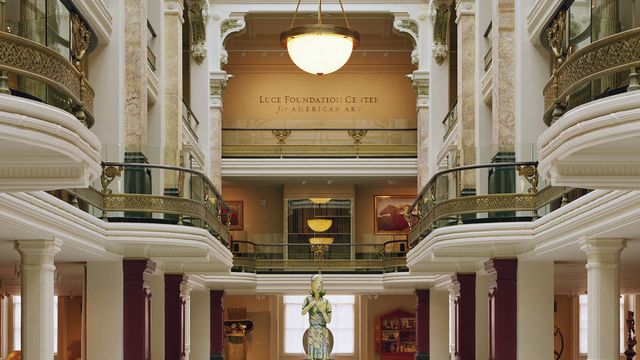
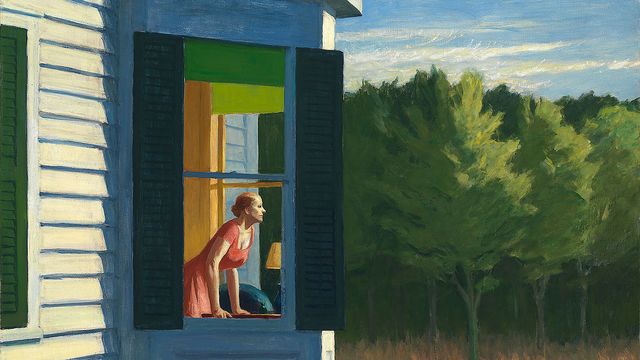
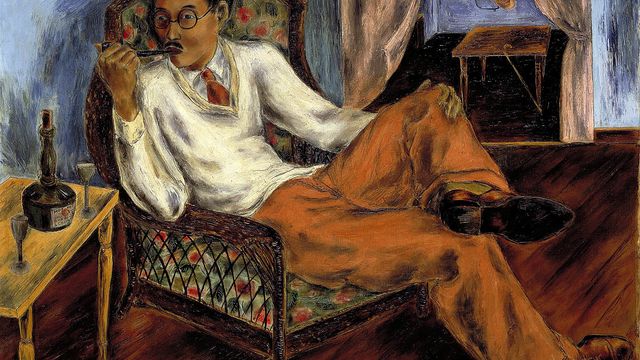


Explore U.S. history and culture through a free interactive videoconference. Museum presenters create connections between American art and your curriculum, engaging students and lifelong learners at schools, libraries, and senior centers throughout North America. Artful Connections programs promote collaboration, critical thinking, creativity, and communication via discussion.
Our Programs
- Highly interactive, inquiry driven, object-centered lessons
- Ten different topics aligned with national curriculum standards and 21st Century Skills
- Appropriate for 3rd grade through adult learners
- Offered Monday through Friday from 9:00 a.m.–5:00 p.m. Eastern on a flexible schedule. Limited spaces available.
- Sessions lasting from 45-60 minutes. Now offering shorter lengths. Specify on program request.
To schedule a videoconference or request a PD orientation session, please visit the Center for Interactive Learning and Collaboration (CILC) website. Create a free profile on the CILC website before requesting any of our programs.
For more information about Artful Connections videoconferences, please contact Rebecca Fulcher at FulcherR@si.edu or (202) 633-8537 or read our Frequently Asked Questions page.
Review our Tips for a Successful Videoconference page to make the most of your virtual tour.
College and Career Readiness Skills
Reading Skills
- Read closely to determine what the [artwork] says explicitly and to make logical inferences from it; cite specific [visual] evidence when writing or speaking to support conclusions drawn from the [artwork].
- Determine central ideas or themes of a[n artwork] and analyze their development; summarize the key supporting details and ideas.
- Assess how point of view or purpose shapes the content and style of a[n artwork].
- Integrate and evaluate content presented in diverse media and formats, including visually and quantitatively, as well as in words.
- Analyze how two or more [artworks] address similar themes or topics in order to build knowledge or to compare the approaches the [artists] take.
Speaking and Listening Skills
- Prepare for and participate effectively in a range of conversations and collaborations with diverse partners, building on others' ideas and expressing their own clearly and persuasively.
- Integrate and evaluate information presented in diverse media and formats, including visually, quantitatively, and orally.
- Evaluate a speaker's [or an artist's] point of view, reasoning, and use of evidence and rhetoric.
- Present information, findings, and supporting evidence such that listeners can follow the line of reasoning and the organization, development, and style are appropriate to task, purpose, and audience.
Looking at Art

In a world filled with images, it is important to be visually literate. While exploring artworks that represent various time periods, styles, and mediums, students will:
- build a visual vocabulary and learn how to form interpretations based on visual evidence and
- build visual literacy by examining the deliberate choices artists make in their work and why.
Resources:
Visual Arts
- K-12.6: Convey meaning through the presentation of artistic work
- K-12.7: Perceive and analyze artistic work
- K-12.8: Interpret intent and meaning in artistic work
- K-12.9: Apply criteria to evaluate artistic work
- K-12.11: Relate artistic ideas and works from a variety of sources with societal, cultural, and historical context to deepen understanding
Historical Thinking
- K-12.4: Obtain and interrogate historical data from a variety of sources, including library and museum collections, in order to formulate historical questions from encounters with art and other records from the past
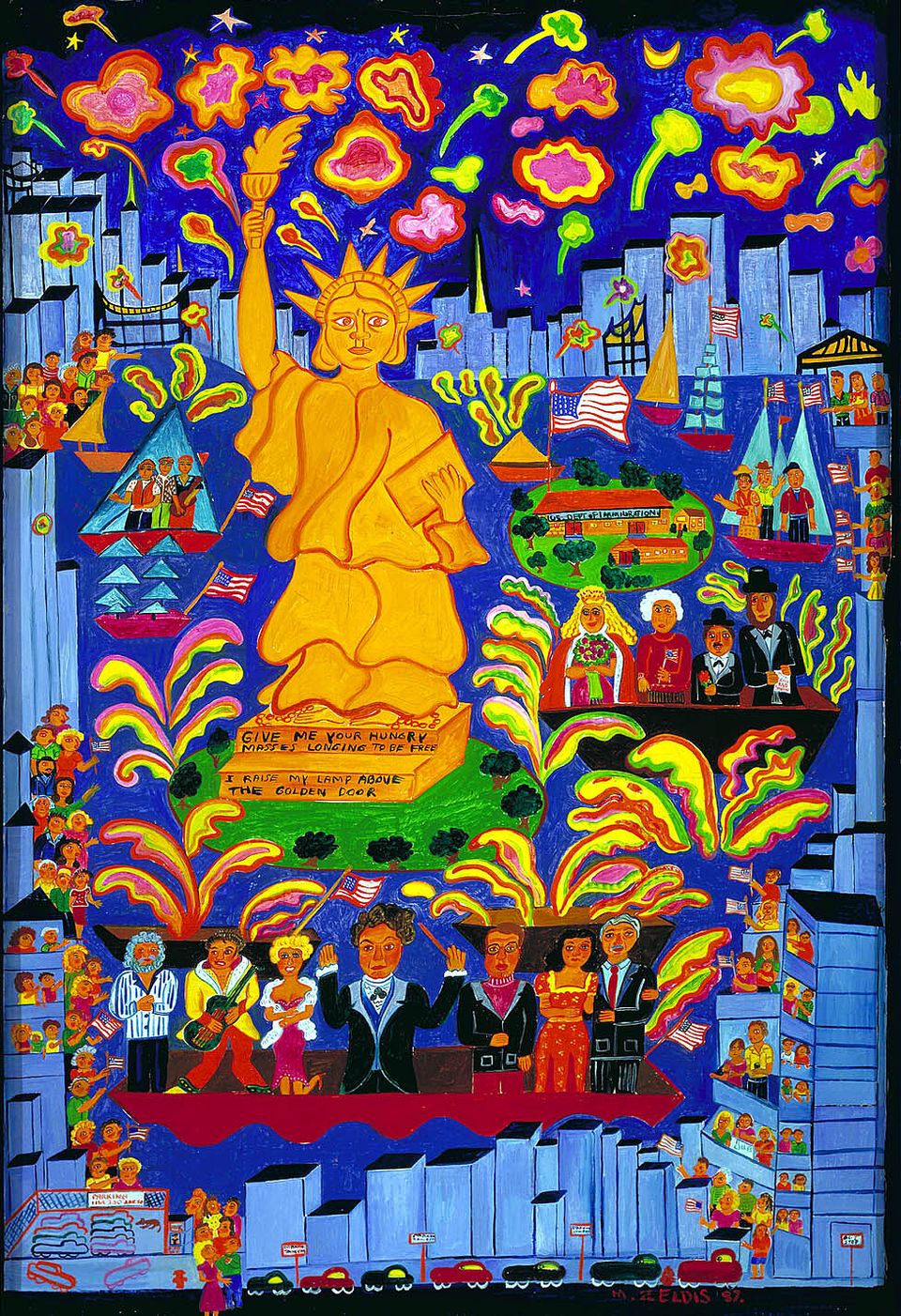
Artists use familiar icons such as the Statue of Liberty, the bald eagle, and the American flag to communicate their ideas about American culture and encourage examination of our society.
Visual Arts
- K-12.7: Perceive and analyze artistic work
- K-12.8: Interpret intent and meaning in artistic work
- K-12.11: Relate artistic ideas and works from a variety of sources with societal, cultural, and historical context to deepen understanding
Historical Thinking
- K-12.2: Draw upon the visual data presented in photographs, paintings, cartoons, and architectural drawings to clarify, illustrate, or elaborate upon information presented in the historical narrative, and appreciate and consider past historical perspectives
- K-12.4: Obtain and interrogate historical data from a variety of sources, including library and museum collections, in order to formulate historical questions from encounters with art and other records from the past
U.S. History
- 5-12, Era 3: Revolution and the New Nation (1754-1820s)
- 5-12, Era 7: The Emergence of Modern America (1890-1930)
Civics
- K-4.2: Basic Values and Principles of American Democracy
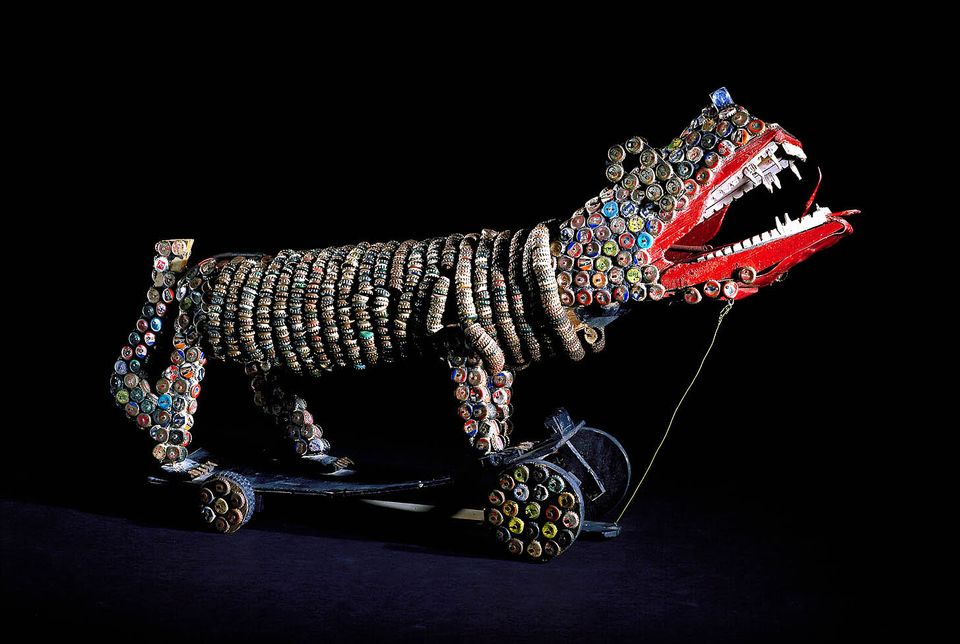
From beads to bottlecaps, tinfoil to toys, artists have used many nontraditional materials to express themselves and create art. This videoconference covers how artists use everyday materials, vision and imagination, storytelling, and a sense of place.
Visual Arts
- K-12.7: Perceive and analyze artistic work
- K-12.8: Interpret intent and meaning in artistic work
- K-12.9: Apply criteria to evaluate artistic work
- K-12.11: Relate artistic ideas and works from a variety of sources with societal, cultural, and historical context to deepen understanding
Historical Thinking
- K-12.4: Obtain and interrogate historical data from a variety of sources, including library and museum collections, in order to formulate historical questions from encounters with art and other records from the past
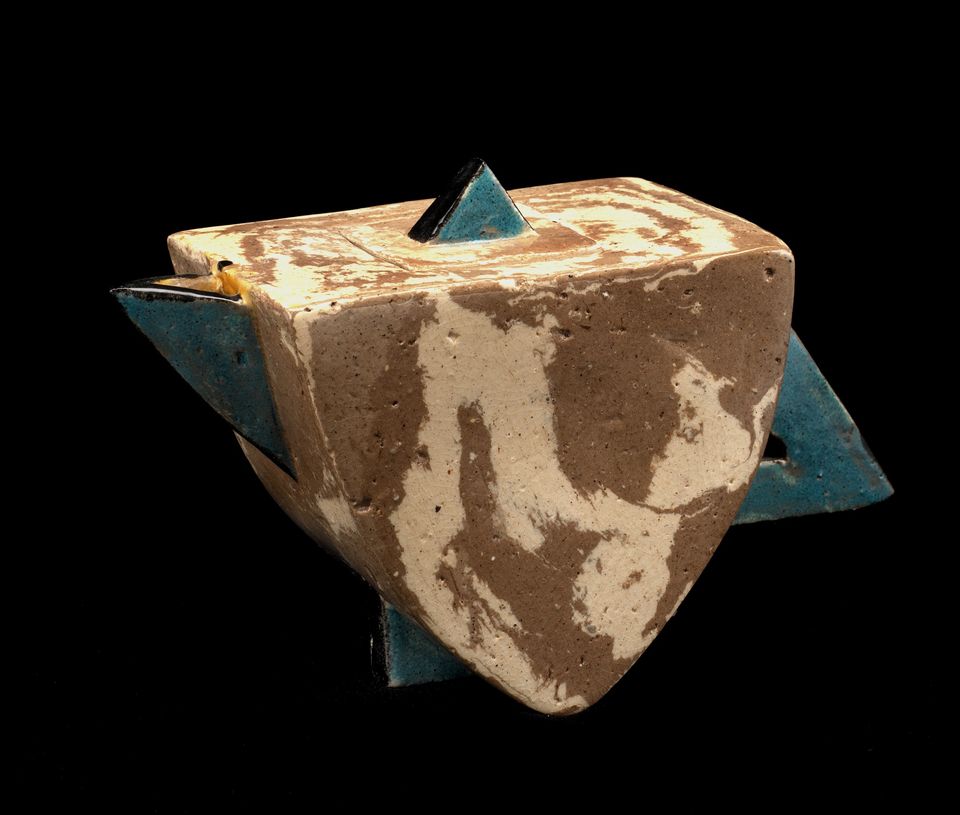
Craft artists push beyond traditions by testing the limits of materials and techniques. Whether using clay, metal, glass, or fiber, these artists create works that blur the lines between art and craft and encourage us to see everyday objects in new ways.
Visual Arts
- K-12.7: Perceive and analyze artistic work
- K-12.8: Interpret intent and meaning in artistic work
- K-12.9: Apply criteria to evaluate artistic work
- K-12.11: Relate artistic ideas and works from a variety of sources with societal, cultural, and historical context to deepen understanding
Historical Thinking
- K-12.4: Obtain and interrogate historical data from a variety of sources, including library and museum collections, in order to formulate historical questions from encounters with art and other records from the past
Exploring History
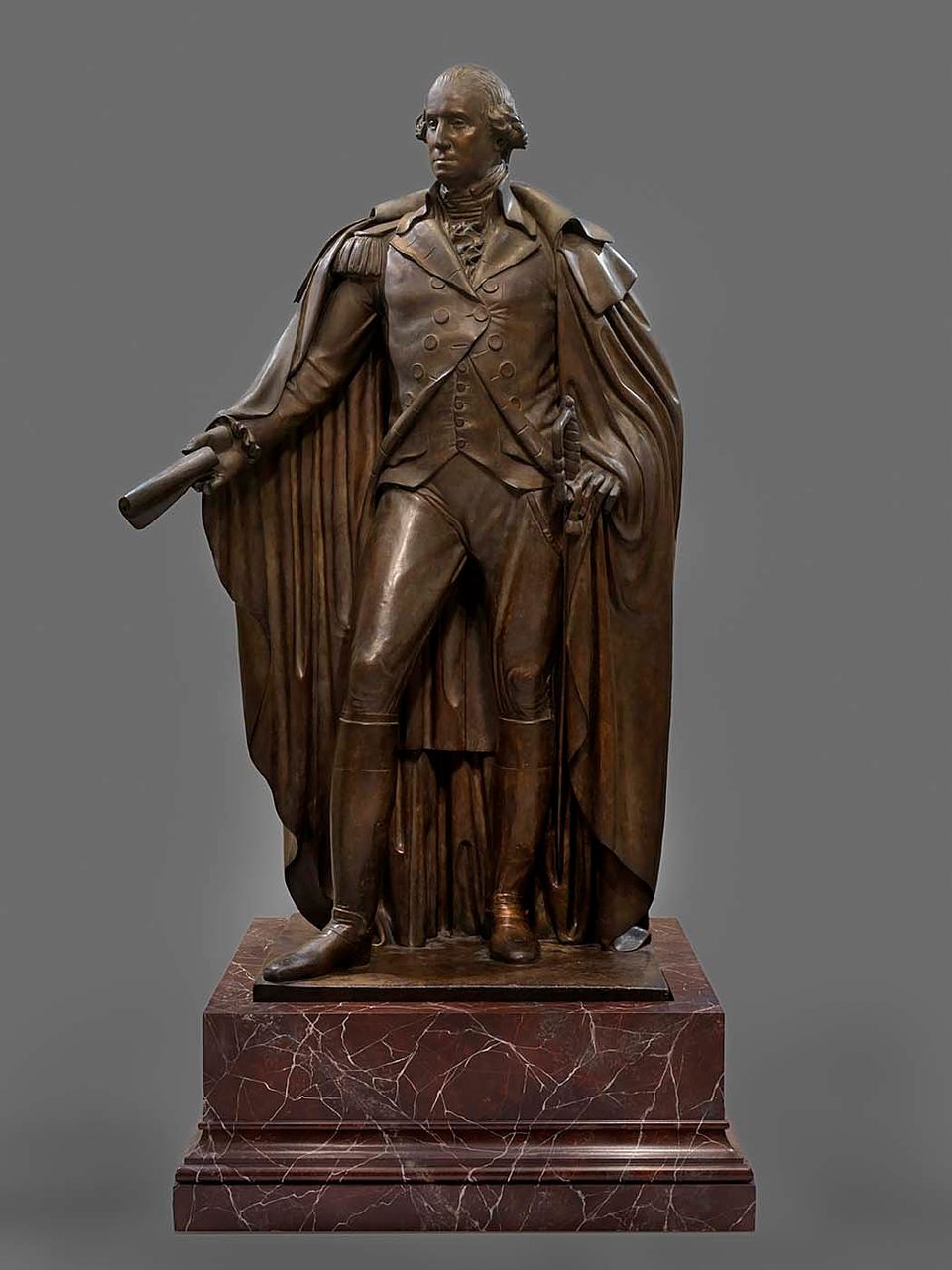
The transition from colonial rule to national independence was a pivotal time in American history. Students will explore colonial and early federal art that tells the story of growing national ambitions, territorial expansion, and the beginning of industry.
Visual Arts
- K-12.7: Perceive and analyze artistic work
- K-12.8: Interpret intent and meaning in artistic work
- K-12.11: Relate artistic ideas and works from a variety of sources with societal, cultural, and historical context to deepen understanding
Historical Thinking
- K-12.2: Draw upon the visual data presented in photographs, paintings, cartoons, and architectural drawings to clarify, illustrate, or elaborate upon information presented in the historical narrative, and appreciate and consider past historical perspectives
- K-12.3: Analyze and interpret multiple perspectives in history to compare and contrast differing sets of ideas, values, personalities, behaviors, and institutions, and to challenge arguments of historical inevitability
- K-12.4: Obtain and interrogate historical data from a variety of sources, including library and museum collections, in order to formulate historical questions from encounters with art and other records from the past
U.S. History
- K-4.1: Living and Working Together in Families and Communities, Now and Long Ago
- K-4.3: The History of the United States: Democratic Principles and Values and the Peoples from Many Cultures Who Contributed to Its Cultural, Economic, and Political Heritage
- K-4.4: The History of Peoples of Many Cultures around the World
- 5-12, Era 2: Colonization and Settlement (1585-1763)
- 5-12, Era 3: Revolution and the New Nation (1754-1820s)
Civics
- K-4.2: Basic Values and Principles of American Democracy
- 5-12.2: Foundations of the American Political System
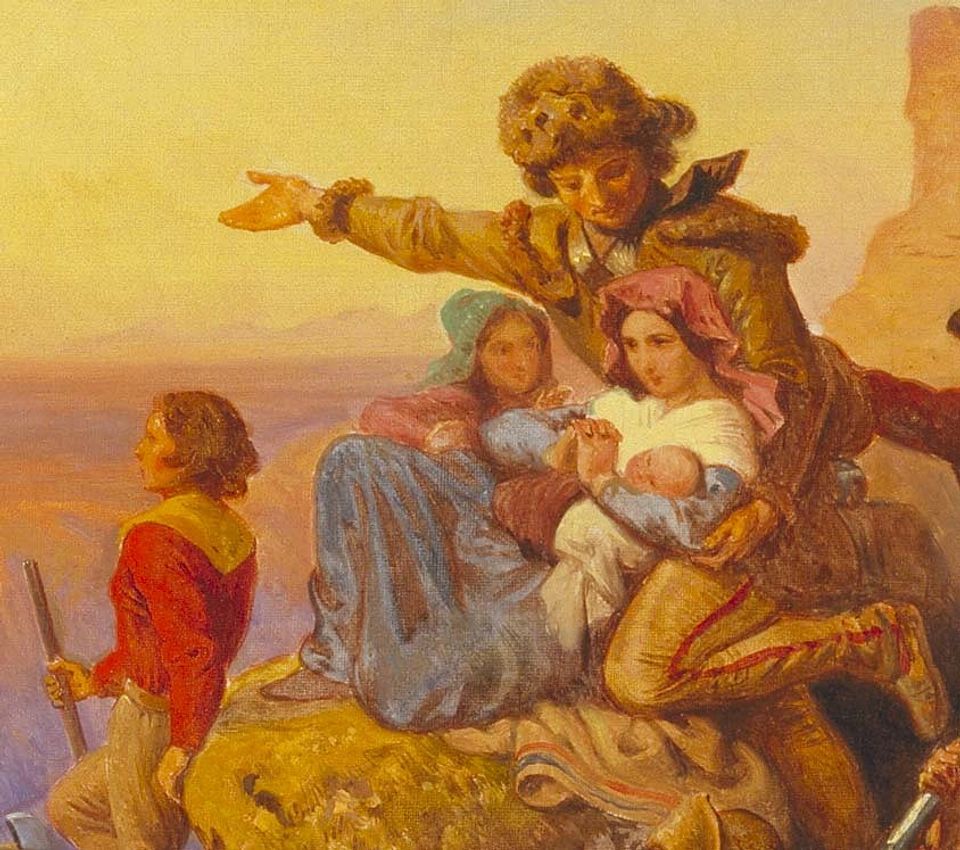
Part geography and part mythology, the American West retains a powerful allure in popular culture. Explore depictions of the people, lifestyles, and landscapes of the 19th century West to better understand this dynamic period of history.
Visual Arts
- K-12.7: Perceive and analyze artistic work
- K-12.8: Interpret intent and meaning in artistic work
- K-12.11: Relate artistic ideas and works from a variety of sources with societal, cultural, and historical context to deepen understanding
Historical Thinking
- K-12.2: Draw upon the visual data presented in photographs, paintings, cartoons, and architectural drawings to clarify, illustrate, or elaborate upon information presented in the historical narrative, and appreciate and consider past historical perspectives
- K-12.3: Analyze and interpret multiple perspectives in history to compare and contrast differing sets of ideas, values, personalities, behaviors, and institutions, and to challenge arguments of historical inevitability
- K-12.4: Obtain and interrogate historical data from a variety of sources, including library and museum collections, in order to formulate historical questions from encounters with art and other records from the past
U.S. History
- K-4.1: Living and Working Together in Families and Communities, Now and Long Ago
- K-4.3: The History of the United States: Democratic Principles and Values and the Peoples from Many Cultures Who Contributed to Its Cultural, Economic, and Political Heritage
- 5-12, Era 4: Expansion and Reform (1801-1861)
Civics
- 5-12.4: Relationship of the United States to Other Nations and to World Affairs
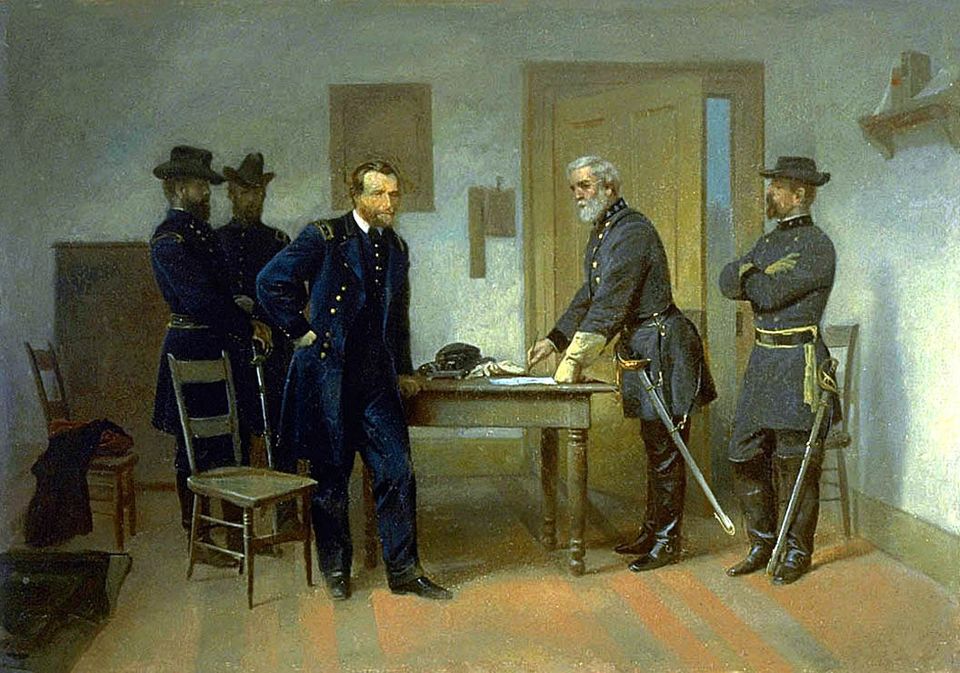
The Civil War tested and consumed the country for more than four years. Explore how this great conflict and subsequent Reconstruction period are depicted through the traditional mediums of painting and sculpture, as well as the then new medium of photography.
Visual Arts
- K-12.7: Perceive and analyze artistic work
- K-12.8: Interpret intent and meaning in artistic work
- K-12.11: Relate artistic ideas and works from a variety of sources with societal, cultural, and historical context to deepen understanding
Historical Thinking
- K-12.2: Draw upon the visual data presented in photographs, paintings, cartoons, and architectural drawings to clarify, illustrate, or elaborate upon information presented in the historical narrative, and appreciate and consider past historical perspectives
- K-12.3: Analyze and interpret multiple perspectives in history to compare and contrast differing sets of ideas, values, personalities, behaviors, and institutions, and to challenge arguments of historical inevitability
- K-12.4: Obtain and interrogate historical data from a variety of sources, including library and museum collections, in order to formulate historical questions from encounters with art and other records from the past
U.S. History
- 5-12, Era 5: Civil War and Reconstruction (1850-1877)
Civics
- 5-12.1: Civic Life, Politics, and Government
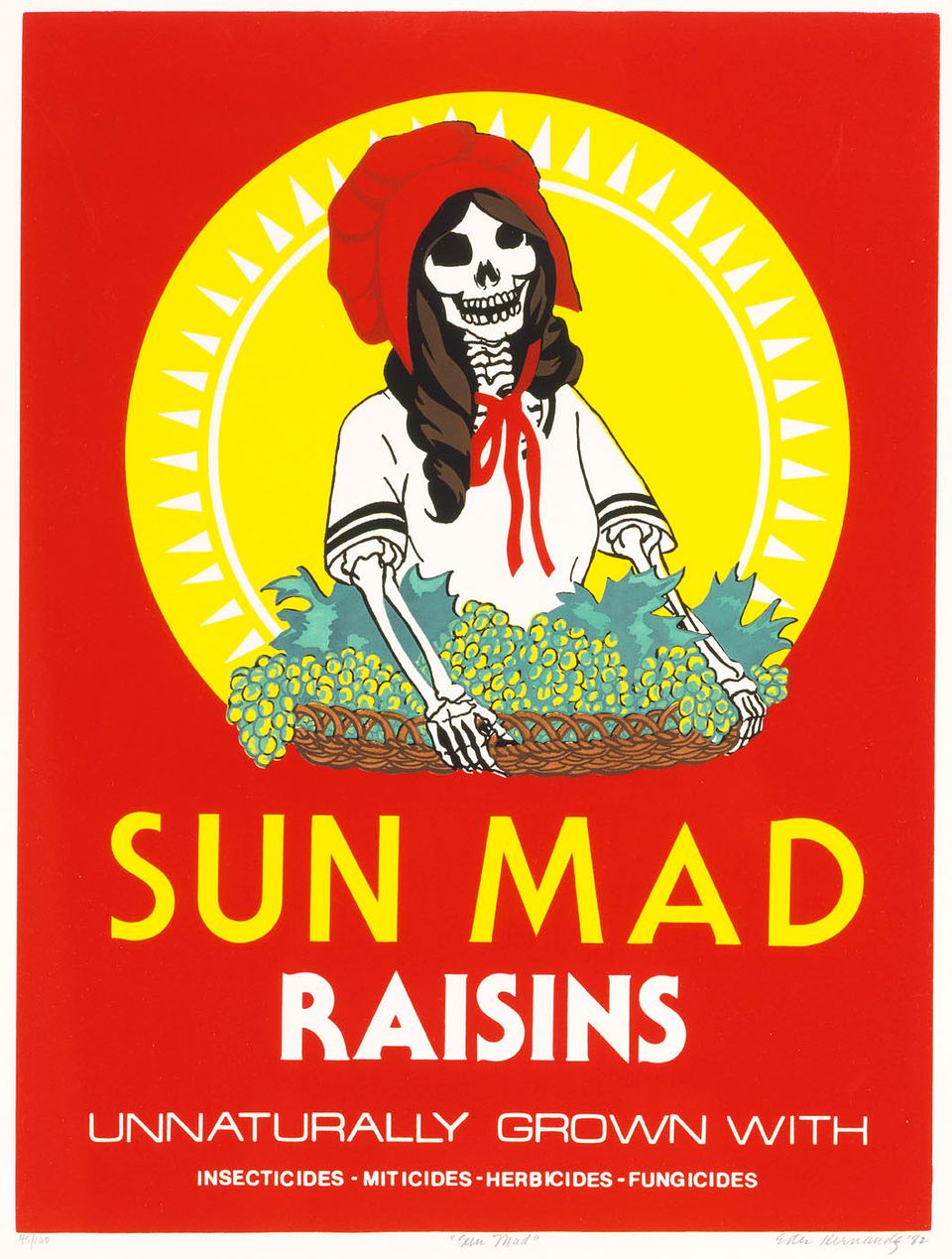
Artists living in America have often visualized and engaged with social issues through their artistic practice. Students will examine 18th-21st century art to discover the range of approaches artists have used to make their voices heard.
Visual Arts
- K-12.7: Perceive and analyze artistic work
- K-12.8: Interpret intent and meaning in artistic work
- K-12.9: Apply criteria to evaluate artistic work
- K-12.11: Relate artistic ideas and works from a variety of sources with societal, cultural, and historical context to deepen understanding
Historical Thinking
- K-12.2: Draw upon the visual data presented in photographs, paintings, cartoons, and architectural drawings to clarify, illustrate, or elaborate upon information presented in the historical narrative, and appreciate and consider past historical perspectives
- K-12.3: Analyze and interpret multiple perspectives in history to compare and contrast differing sets of ideas, values, personalities, behaviors, and institutions, and to challenge arguments of historical inevitability
- K-12.4: Obtain and interrogate historical data from a variety of sources, including library and museum collections, in order to formulate historical questions from encounters with art and other records from the past
US History
- 5-12, Era 5: Civil War and Reconstruction (1850-1877)
- 5-12, Era 7: The Emergence of Modern America (1890-1930)
- 5-12, Era 8: The Great Depression and World War II (1929-1945)
- 5-12, Era 9: Postwar United States (1945 to Early 1970s)
- 5-12, Era 10: Contemporary United States (1968 to the Present)
Civics
- 5-12.1: Civic Life, Politics, and Government
- K-12.5: Roles of the Citizen in American Democracy
Social Studies
- D2.His.3.9-12: Use questions generated about individuals and groups to assess how the significance of their actions changes over time and is shaped by the historical context.
- D2.Civ.14.9-12: Analyze historical, contemporary, and emerging means of changing societies, promoting the common good, and protecting rights.
Celebrating Heritage
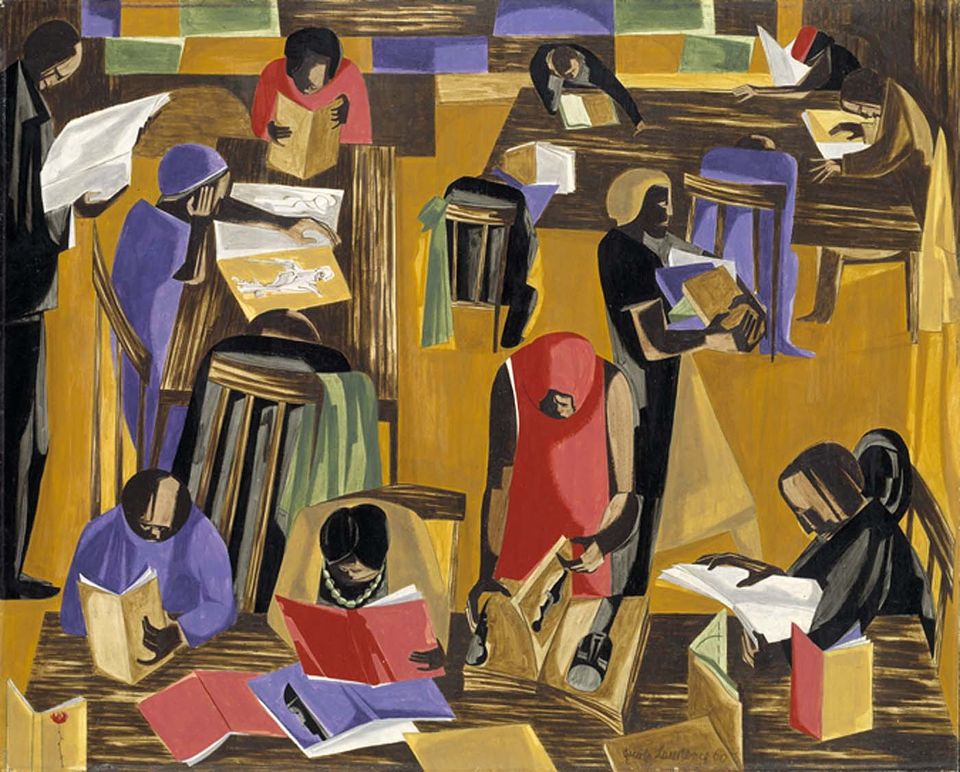
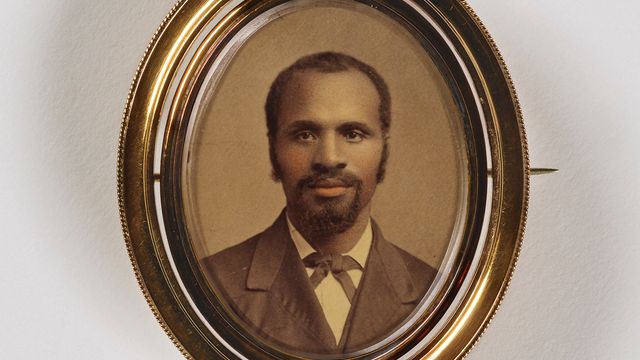
The lives of African American artists lend insight into the context of their works. Learn about the diverse body of artwork created by African American artists and the historical, social, and cultural events, as well as the life experiences, that inspired their work
Visual Arts
- K-12.7: Perceive and analyze artistic work
- K-12.8: Interpret intent and meaning in artistic work
- K-12.11: Relate artistic ideas and works from a variety of sources with societal, cultural, and historical context to deepen understanding
Historical Thinking
- K-12.2: Draw upon the visual data presented in photographs, paintings, cartoons, and architectural drawings to clarify, illustrate, or elaborate upon information presented in the historical narrative, and appreciate and consider past historical perspectives
- K-12.3: Analyze and interpret multiple perspectives in history to compare and contrast differing sets of ideas, values, personalities, behaviors, and institutions, and to challenge arguments of historical inevitability
- K-12.4: Obtain and interrogate historical data from a variety of sources, including library and museum collections, in order to formulate historical questions from encounters with art and other records from the past
U.S. History
- K-4.1: Living and Working Together in Families and Communities, Now and Long Ago
- K-4.3: The History of the United States: Democratic Principles and Values and the Peoples from Many Cultures Who Contributed to Its Cultural, Economic, and Political Heritage
- 5-12, Era 5: Civil War and Reconstruction (1850-1877)
- 5-12, Era 7: The Emergence of Modern America (1890-1930)
- 5-12, Era 8: The Great Depression and World War II (1929-1945)
- 5-12, Era 9: Postwar United States (1945 to Early 1970s)
- 5-12, Era 10: Contemporary United States (1968 to the Present)
Civics
- K-4.1: The Role of Government
- K-4.2: Basic Values and Principles of American Democracy
- K-12.5: Roles of the Citizen in American Democracy
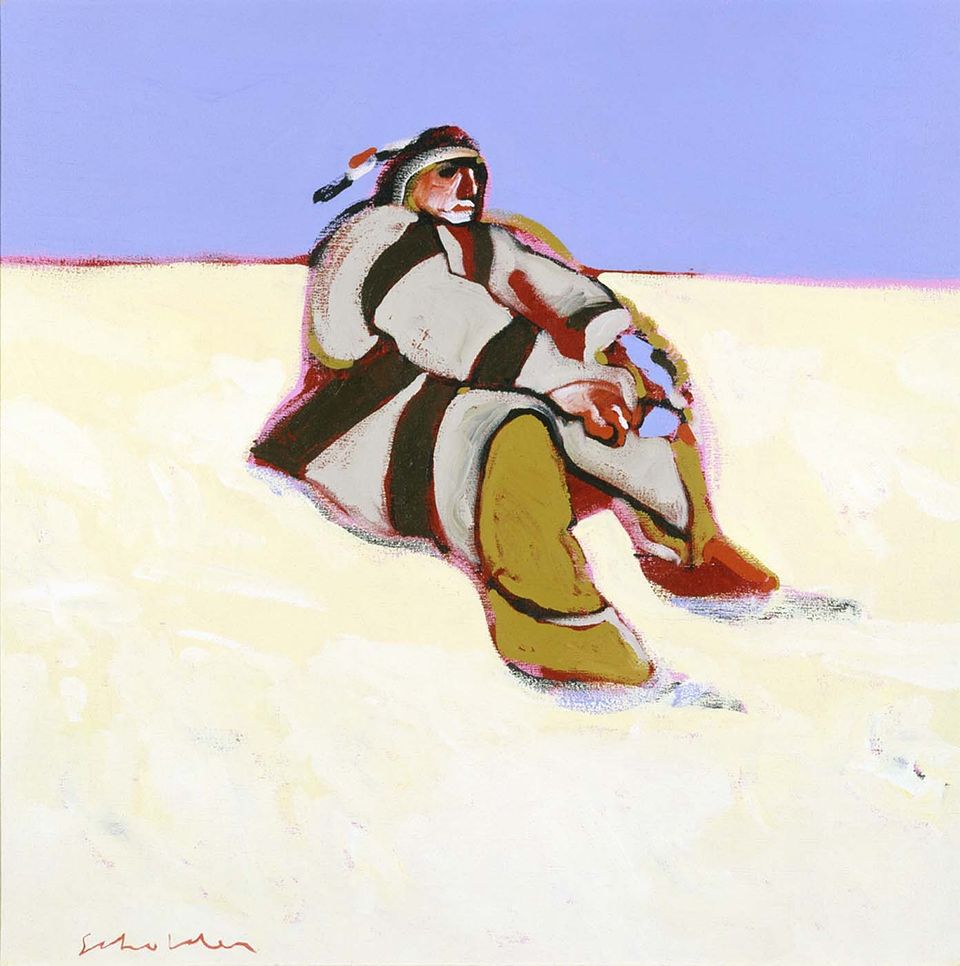
American Indians are part of the past, present, and future of the United States. Explore histories and cultures of some American Indians as captured by both Native and non-Native artists. Discuss the influence of geography, tradition, and tribal affiliation on contemporary Indian artists.
Visual Arts
- K-12.7: Perceive and analyze artistic work
- K-12.8: Interpret intent and meaning in artistic work
- K-12.11: Relate artistic ideas and works from a variety of sources with societal, cultural, and historical context to deepen understanding
Historical Thinking
- K-12.2: Draw upon the visual data presented in photographs, paintings, cartoons, and architectural drawings to clarify, illustrate, or elaborate upon information presented in the historical narrative, and appreciate and consider past historical perspectives
- K-12.3: Analyze and interpret multiple perspectives in history to compare and contrast differing sets of ideas, values, personalities, behaviors, and institutions, and to challenge arguments of historical inevitability
- K-12.4: Obtain and interrogate historical data from a variety of sources, including library and museum collections, in order to formulate historical questions from encounters with art and other records from the past
U.S. History
- K-4.1: Living and Working Together in Families and Communities, Now and Long Ago
- K-4.3: The History of the United States: Democratic Principles and Values and the Peoples from Many Cultures Who Contributed to Its Cultural, Economic, and Political Heritage
- K-4.4: The History of Peoples of Many Cultures around the World
- 5-12, Era 4: Expansion and Reform (1801-1861)
- 5-12, Era 7: The Emergence of Modern America (1890-1930)
- 5-12, Era 8: The Great Depression and World War II (1929-1945)
- 5-12, Era 9: Postwar United States (1945 to Early 1970s)
- 5-12, Era 10: Contemporary United States (1968 to the Present)
Civics
- K-4.2: Basic Values and Principles of American Democracy
- 5-12.1: Civic Life, Politics, and Government
- K-12.4: Relationship of the United States to Other Nations and to World Affairs
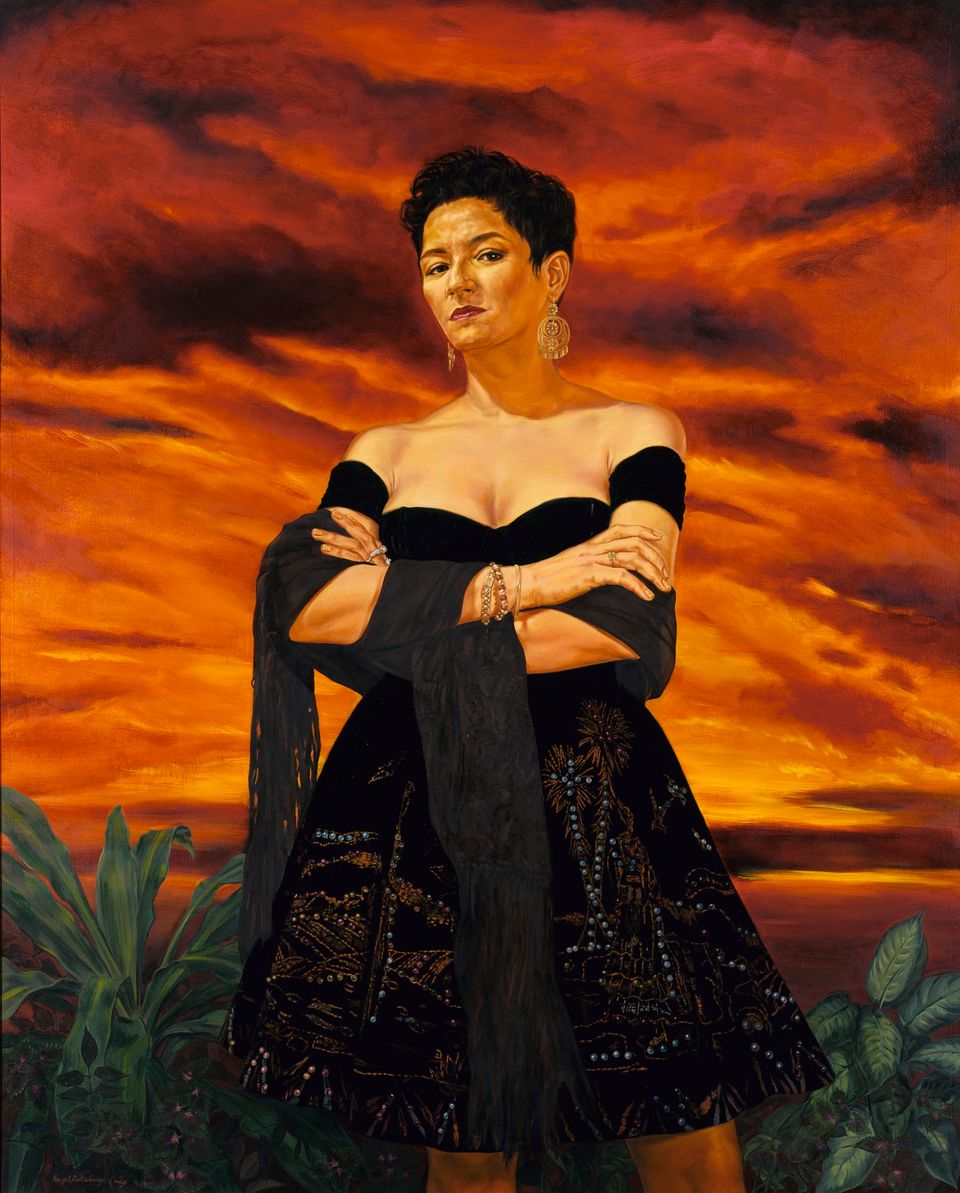
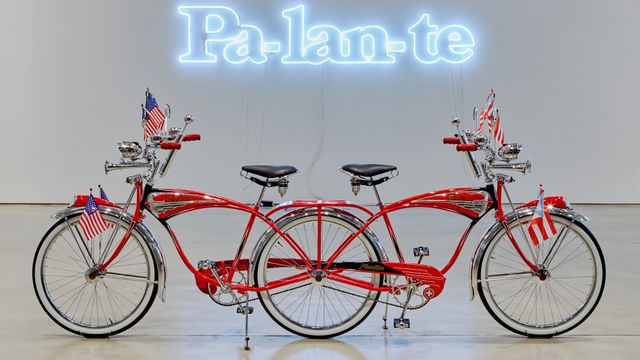
The concept of a collective Latino identity began to emerge in the mid-20th century. Explore how Latino artists shaped the artistic movements of their day, often using their work to communicate with a larger public about social justice and themes of diversity, identity, and community.
Visual Arts
- K-12.7: Perceive and analyze artistic work
- K-12.8: Interpret intent and meaning in artistic work
- K-12.11: Relate artistic ideas and works from a variety of sources with societal, cultural, and historical context to deepen understanding
Historical Thinking
- K-12.2: Draw upon the visual data presented in photographs, paintings, cartoons, and architectural drawings to clarify, illustrate, or elaborate upon information presented in the historical narrative, and appreciate and consider past historical perspectives
- K-12.3: Analyze and interpret multiple perspectives in history to compare and contrast differing sets of ideas, values, personalities, behaviors, and institutions, and to challenge arguments of historical inevitability
- K-12.4: Obtain and interrogate historical data from a variety of sources, including library and museum collections, in order to formulate historical questions from encounters with art and other records from the past
U.S. History
- K-4.1: Living and Working Together in Families and Communities, Now and Long Ago
- K-4.3: The History of the United States: Democratic Principles and Values and the Peoples from Many Cultures Who Contributed to Its Cultural, Economic, and Political Heritage
- K-4.4: The History of Peoples of Many Cultures around the World
- 5-12, Era 9: Postwar United States (1945 to Early 1970s)
- 5-12, Era 10: Contemporary United States (1968 to the Present)
Civics
- 5-12.1: Civic Life, Politics, and Government
- K-12.4: Relationship of the United States to Other Nations and to World Affairs
- K-12.5: Roles of the Citizen in American Democracy
Credit
Distance learning programs are generously supported by the American Battle Monuments Commission and the Robert and Mercedes Eichholz Foundation.